Portage Glacier: Kayaking the Ice, Spotting the Wildlife
Adventure
Portage Glacier: Kayaking the Ice, Spotting the Wildlife
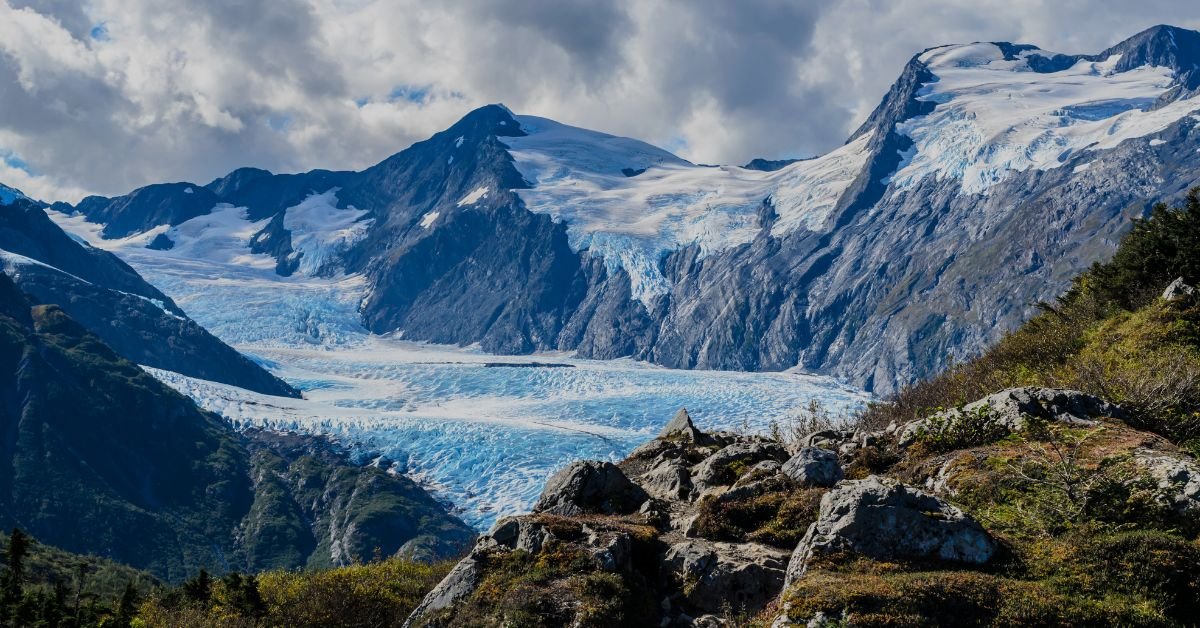
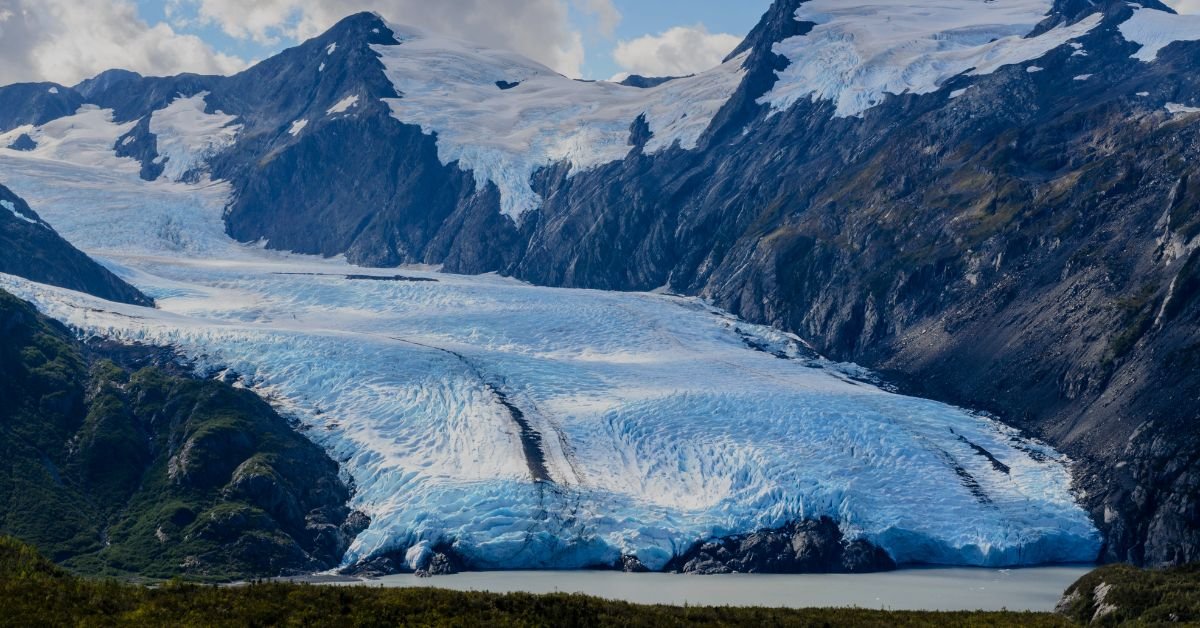
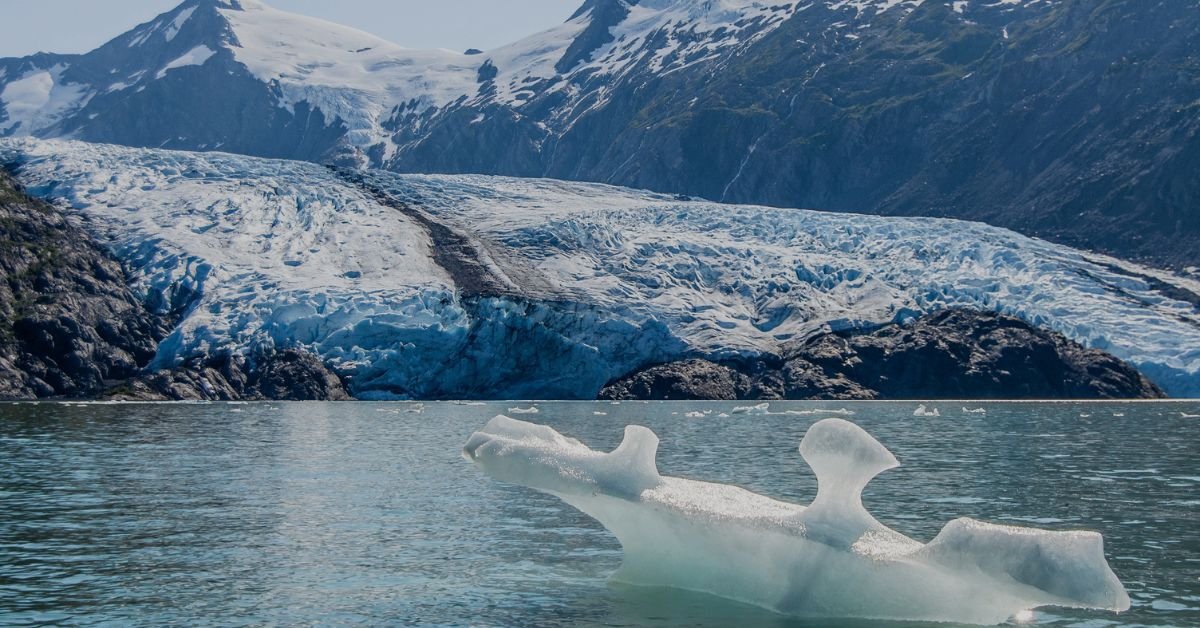
Portage Glacier has retreated enough that it’s no longer visible from the visitor center’s deck, but paddle out onto Portage Lake, and you’re face-to-face with it again. This trip pairs a guided kayak crossing through cold, silt-blue glacial water with wildlife spotting across the Portage Valley, about an hour outside Anchorage. It’s not a casual float as the water is cold, and the paddle is real, but reaching the ice under your own power is worth it.
Highlights
Kayaking to the glacier face
Launch from the lake’s north side and paddle roughly 3 miles through iceberg-dotted water toward the glacier’s face, staying in the designated zone clear of active calving.
Wildlife across Portage Valley
Watch for moose, mountain goats, and bald eagles across the valley, with eagles especially plentiful in fall as they gather to feed on spawning salmon.
Begich, Boggs Visitor Center stop
Start at the visitor center for maps, a safety briefing, and current conditions on the glacier’s retreat before you launch onto the lake.
Packing List
Dry suit or full warm layers (glacial water runs very cold)
Water and snacks for a multi-hour paddle
Neoprene gloves recommended for cold-water paddling
Times of Year
Summer
Tips for the Adventure
Stay in the designated kayak zone on the lake’s north side — the glacier’s face is actively calving and off-limits to paddlers.
Flotation devices are required. The water is cold and silty enough that swimming without one isn’t a safe option.
It’s roughly a 4–5 hour drive from Homer, so this works best as an Anchorage-area day, not a same-day trip from home base.
September is prime eagle-viewing as they gather for the salmon run, though kayaking conditions get colder as the season winds down.
Check in at the Begich, Boggs Visitor Center first because rangers post current lake and ice conditions before you launch.

Write a Review