
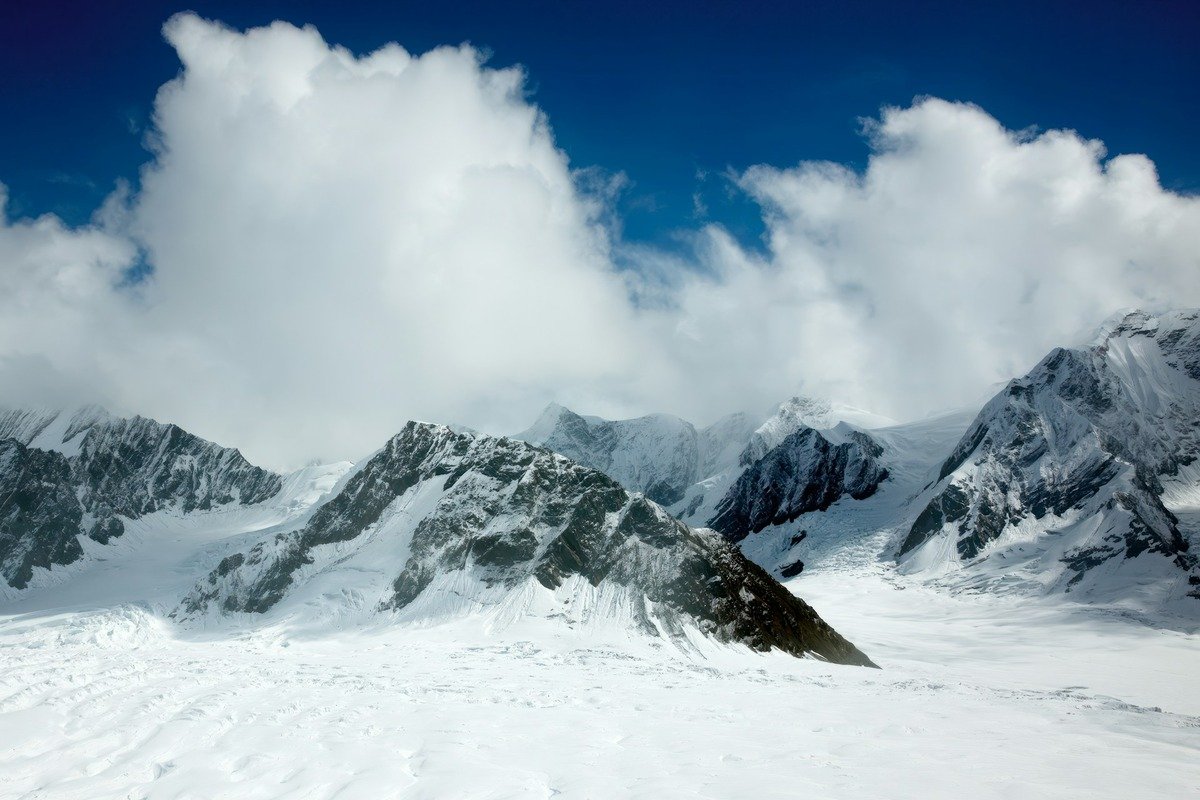
A groomed track near Anchorage, Alaska, and a fly-in trip onto an Alaska Range glacier share a word and almost nothing else. That is the first thing to understand about Alaska skiing. Before deciding where to go, work out what kind of trip suits your group’s skills. Then check whether the terrain, season, and access make that plan realistic.
What Kind of Skiing Are You Planning?
Start with the terrain, because “skiing” covers different days in Alaska. A Nordic outing may stay on groomed or ungroomed trails. Backcountry touring takes you beyond controlled terrain, where route-finding and avalanche decisions matter. Ski mountaineering adds steeper ground, glacier travel, and more technical descents. Fly-in trips add aircraft logistics and the possibility of weather delays.
Lift-served skiing and skijoring come with their own demands. Chugach State Park lists these activities separately for good reason. Being strong on Nordic skis does not prepare you for avalanche terrain. Choose the trip that matches your group’s skills now, before committing.
Where Can You Ski in Alaska?
What Does Southcentral Offer?
Chugach State Park has beginner routes around Anchorage, plus longer tours. Hatcher Pass has groomed track, deep-snow touring, and steeper terrain, with parking restrictions and shared motorized use. Turnagain Pass uses seasonal rules to manage motorized and nonmotorized zones.
What Is Different Elsewhere?
The White Mountains National Recreation Area has roughly 250 miles of winter trails linking public-use cabins. Denali has accessible skiing near the park entrance and expedition terrain farther in.
At Exit Glacier, a winter road closure creates an approach that may extend seven miles beyond the first gate. Southeast Alaska has a maritime snow climate. Rain and rapid warming matter, but so do wind-loaded snow and buried weak layers.
When Does the Alaska Range Become an Expedition?
Denali National Park contains more than a million acres of glaciers, with routes ranging from moderate tours to steep couloirs. Ski-equipped aircraft shorten the approach, but flights depend on the weather, and pickup times can change. Before committing, compare the terrain, access, and seasonal conditions in our regional trip guides.
When Does the Season Really Open?
There is no opening date for Alaska. Conditions differ across the coastal mountains, the Interior, road-accessed passes, and high glaciers. Denali may have winter conditions from September or October into April, but midwinter travel is limited by cold and short days. Near the solstice, daylight lasts less than four and a half hours, while temperatures can swing from about 40°F to -40°F.
The coast is milder, but wetter. Exit Glacier receives close to 200 inches of snow a year and can still see rain in winter. Later winter brings longer days, but warming can change avalanche conditions and weaken snow bridges.
Choose the time of year first. As your Alaska skiing trip approaches, let the current snow and weather decide whether the route still makes sense.
How Do You Check Conditions Without Guessing?
Start broad, then narrow down. The Climate Prediction Center’s 30-day and 90-day outlooks can help you choose a travel window, but they do not predict snowfall on your route.
Near departure, switch to more local information. Check the National Weather Service point forecast, Area Forecast Discussion, wind, and avalanche weather. Then read the Alaska Avalanche Information Center forecast and recent observations. Confirm road access, parking, cabins, motorized-use boundaries, and closures with the land manager.
Closer to departure, Alaska ski trip planning becomes much more local. A seasonal outlook can help you choose your dates, but the latest weather, snowpack, and access reports tell you whether the route still makes sense.
What Do People Underestimate?
The hardest parts are often the hazards that remain hidden until the group is already committed, especially unstable snow and covered crevasses.
How Serious Is Avalanche Terrain?
Avalanche forecasts do not cover all of Alaska, so first check whether your route falls inside a forecast area. If it does, read the forecast and recent observations that day. At Hatcher Pass, each person in the group should carry a beacon, probe, and shovel, and know how to use them.
That equipment matters, but it does not make the slope safe. Alaska backcountry skiing still comes down to terrain choice, training, group judgment, and being willing to turn around.
What Changes on a Glacier?
A glacier adds hazards you may not see. Snow can hide crevasses, and a snow bridge that holds in the morning may weaken later in the day. Rope teams reduce the consequences only when everyone knows glacier travel and crevasse rescue.
Before committing, ask whether the route crosses a glacier, how the group would respond to a fall, and what happens if weather delays the aircraft.
What Else Changes the Plan?
Conditions can change the character of a trip before you reach the trailhead. In the Interior, cold is dry and severe. Along the coast, rain and wet snow can leave clothing damp for days. Wind and flat light may erase tracks, and short daylight punishes late starts.
Wildlife and camp habits matter. Give moose and mountain goats space, avoid following tracks for photos, store food carefully, and keep camps away from water and travel routes.
What Separates a Two-Day Trip From a Two-Week One?
Access shapes the trip as much as the route. Roads may be unplowed, gated, or limited to over-snow travel. At Hatcher Pass, roadside parking is restricted, and many state park trailheads require a fee or pass. Even a highway trailhead can sit below avalanche paths, with poor visibility and no services.
Permits vary by land manager. Overnight trips in the Denali backcountry require a free permit, while climbers attempting Mount McKinley or Mount Foraker usually need to register at least 60 days ahead.
The farther you go, the more a small problem matters. Rescue may be days away. Plan around navigation, communication, shelter, dry layers, repairs, food, fuel, medical needs, and avalanche or glacier rescue skills the route requires. If you are staging out of Homer, plan your stay here.
Where Are You Headed Next?
A route that works in March may be a poor choice in December. Treat your dates as a travel window, not a commitment to ski the terrain you planned.
Already been out? Post to Launch Point what the forecast said, what the snow did, where you turned around, and what you would change. Still planning? Read reports from the same season or find someone heading your way. Good trip reports give the next Alaska ski touring decision context and every trip a better place to start.