
Most of what goes wrong with Alaska photography has nothing to do with the camera. It starts earlier, when someone books a July trip expecting to photograph the northern lights.
The photos you bring home depend on when you go, where you go, the light, how you reach the location, and whether the conditions are safe enough to stay. Work those things out first. The camera settings come later.
What Makes Alaska Different to Photograph?
Alaska photography changes from one environment to the next. Rainforest, tundra, fjords, glaciers, volcanoes, and Arctic terrain come with different light, weather, and access. At Denali, the summer solstice brings more than 20 hours of daylight, while the winter solstice offers fewer than 4.5. Dark enough skies for aurora usually return in late August.
The weather is also part of the scene. Rain, fog, flat light, and blowing snow can show Alaska more honestly than another clear summit. Bring more than one shot idea and expect plans to change.
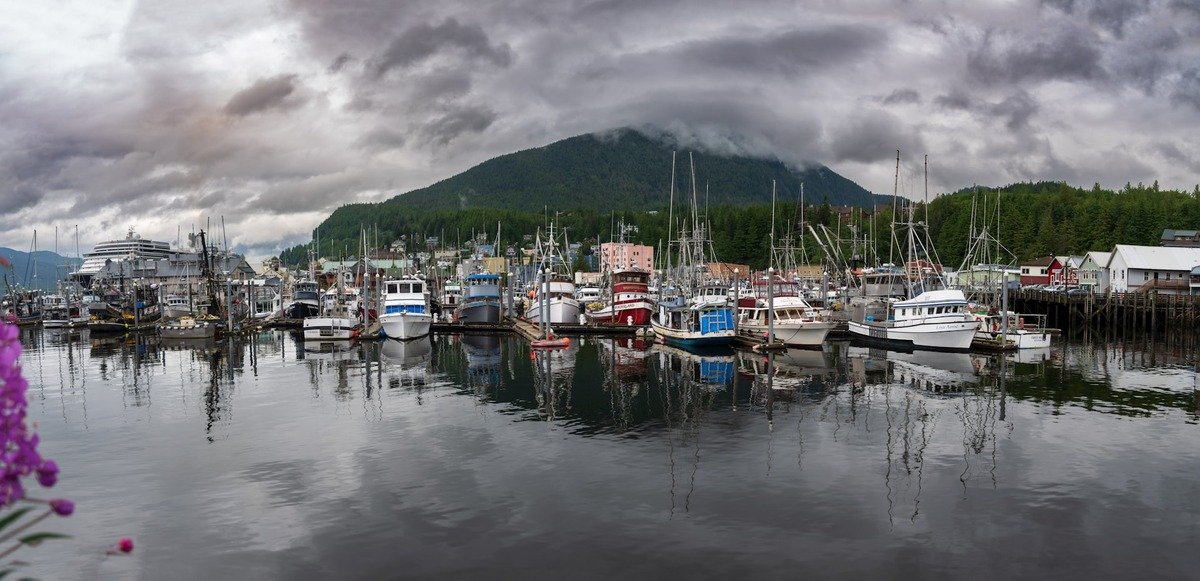
The landscape is not empty. Glacier Bay remains the homeland of the Huna Lingít. A walk on the trails around Homer can put working harbors, homes, and coastline in the same frame.
When Is the Best Time for Photography in Alaska?
The best time for photography in Alaska depends on what you want to photograph. Summer gives you long days, wildlife, wildflowers, glaciers, rivers, and coastline, but very little darkness for aurora.
In Denali, wildflowers often appear from early June through late July, while fall color may begin at higher elevations in early August. Those dates are useful examples, not a statewide calendar.
How Do Summer and Fall Change the Photograph?
Fall brings tundra color, berries, active wildlife, and darker skies. The window can be brief, though, and it shifts with latitude, elevation, and weather. Some seasonal services also begin closing.
What Changes in Winter and During Break-Up?
Winter changes the subjects again. You get snow, frost, aurora, and low-angle light, along with severe cold and limited access. Break-up brings moving ice, returning birds, mud, open water, and lingering avalanche debris.
Northern lights photography in Alaska usually takes patience. Darkness, clear skies, and auroral activity must all line up, and cameras often record more color than the eye sees. Cloud cover can cancel a promising night even during strong activity.
For any Alaska photography trip, check seasonal expectations first, then the Climate Prediction Center’s Alaska outlooks, the local NWS forecast, land-manager alerts, and that morning’s conditions. Use the same sequence when planning an Alaska fishing trip.
Which Region Gives You the Photograph You Want?
Alaska photography works best when you choose the environment before the viewpoint.
What Should You Expect Around Glaciers and the Coast?
Prince William Sound, Chugach National Forest, and Glacier Bay combine glaciers, marine wildlife, forest, islands, and mountains. ADF&G describes thousands of miles of shoreline, so boat access can reveal subjects beyond the road system. It also brings spray, movement, poor visibility, and little setup room.
How Do You Show Scale in Mountains and Tundra?
Denali, Interior BLM lands, and the White Mountains offer braided rivers, tundra, and long sightlines. Include vegetation, a river, a road, or a person so the scale does not disappear. Easy access still does not mean the mountain will be visible.
What Changes in Rainforest or Volcanic Country?
The Tongass and Southeast offer moss, old-growth forest, waterfalls, rain, and mist in soft light. For volcanic landscapes, check the Alaska Volcano Observatory, which monitors more than 130 volcanoes and volcanic fields and publishes notices, webcams, and activity.
Wherever you go, check the season, access, likely blockers, and land manager. Excursions out of Homer follow the same limits.
How Do You Work With Alaska’s Changing Light?
Flat light works in your favor. It keeps detail visible in rainforest, fog, ice, and wet rock, where a stronger contrast can hide it. In snow or glacier scenes, check the brightest parts of the image after your first shot to ensure they retain detail.
On a boat, a faster shutter speed is usually more useful than a tripod. Keep one camera ready, protect it from rain and salt spray, and keep spare batteries warm in winter.
Do not stop at the wide view. Photograph the setting, a closer scene, and details such as tracks, vegetation, ice, or working boats.
What Hazards Should Photographers Plan Around?
Waiting for a shot can keep you beneath a slope, beside cold water, or near wildlife longer than you realize. With Alaska photography, patience can quietly become exposure, so decide your limits before you start. This matters most when fading light or a promising subject tempts you to stay beyond your planned turnaround time.
What Makes Glacier and Tidewater Photography Dangerous?
Alaska DNR warns visitors not to climb glacier ice or enter ice caves without proper training and equipment. Crevasses may be hidden under snow, while nearby meltwater can be fast and dangerously cold.
Tidewater glaciers add another risk. Ice may fall from the face or rise suddenly from below the water, creating waves that push water and debris above the normal high-tide line. Keep away from beaches close to active glacier fronts.
How Close Is Too Close to Wildlife?
NPS Alaska recommends staying at least 300 yards from bears and 25 yards from other animals, nests, and dens. If an animal changes its behavior because of you, back away. Good Alaska wildlife photography comes from watching patterns, anticipating movement, and giving the animal room.
What Does an Avalanche Forecast Leave Out?
The Alaska Avalanche Information Center publishes regional forecasts, but the absence of a posted forecast does not mean there is no hazard. Set a turnaround time before leaving and decide which conditions end the day. The photograph is optional. The return is not.
Do You Need a Permit, and Can You Fly a Drone?
There is no statewide rule for photography permits or drone use in Alaska. The answer depends on who manages the land.
- NPS: Small groups using hand-carried equipment in public areas generally do not need a permit unless they need exclusive access or create added impact. Individual parks may still require authorization.
- USFS: Recreational drones cannot launch, land, or operate from designated Wilderness. Elsewhere, stay below 400 feet, keep the drone in sight, and avoid wildlife, wildfires, and restricted airspace.
- BLM: Ordinary still photography usually needs no permit. Models, sets, closures, or added oversight may change that.
- Alaska State Parks: Rules vary by unit. Chugach State Park allows drone takeoff and landing only at Bold Airstrip near Eklutna Lake.
Leave No Trace asks what the image may encourage. Geotagging is not automatically wrong, but posts should include context about safety, culture, and responsible access.
What Did You Bring Back?
Launch Point publishes Alaska photography that shows what the trip was actually like: a gray week, a mountain that never appeared, or one good frame of a wet harbor. That context often helps the next person more than another clear-day summit shot.
Post your trip and include the conditions, access, missed photographs, and anything you would do differently.
Still working out whether your plan holds up? Get in touch. We are based in Homer, and we would rather help you think it through before you book than after.